Your Local Fence Replacement Experts: Fast & Efficient Service
Professional local fence replacement specialists deliver a combination of efficiency and speed that can greatly enhance any property. Their knowledge of regional regulations guarantees compliance, while their established supplier relationships help avoid unnecessary delays. When selecting local professionals, property owners are able to obtain quality materials but also foster ties within the community. However, determining how to identify the most suitable expert and the implications of different fencing choices is often complicated. Which factors deserve consideration next?
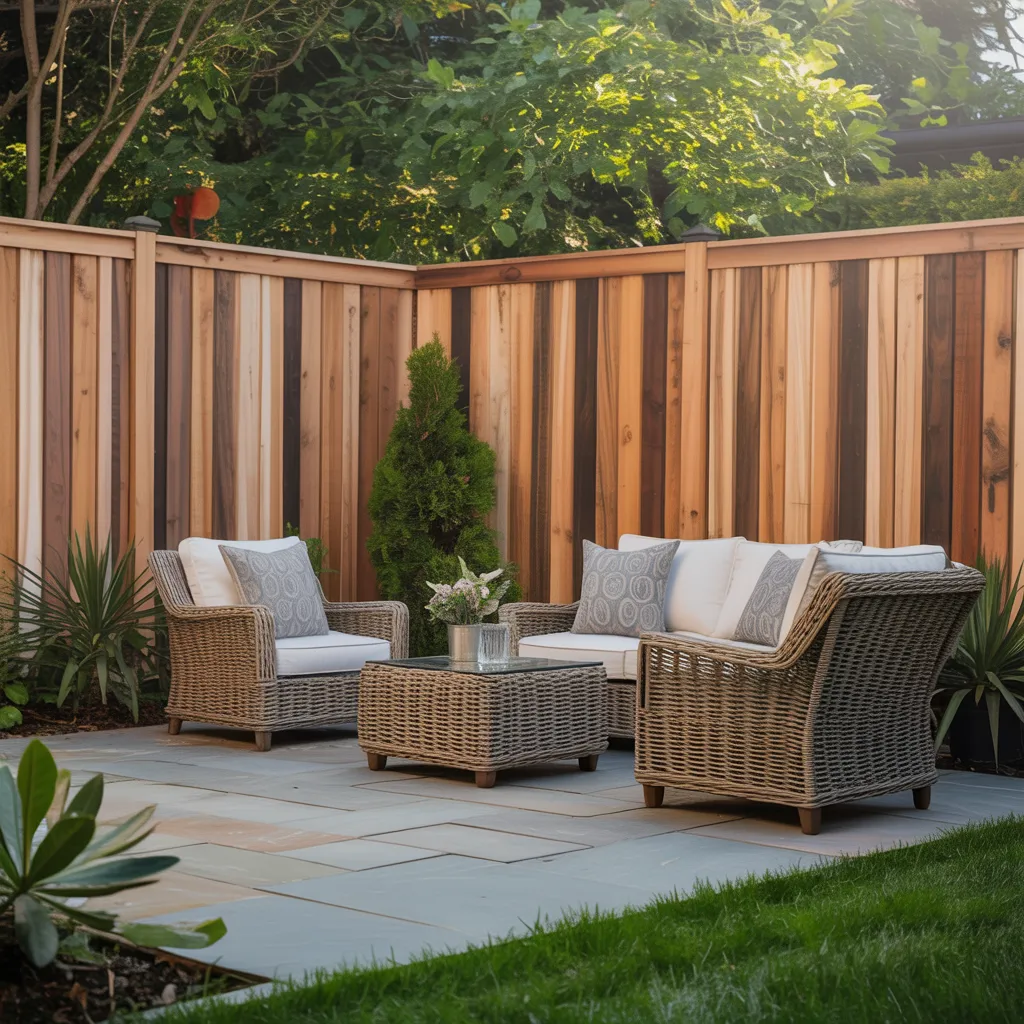
Advantages of Working with Local Fence Replacement Specialists
When homeowners seek to replace their fences, engaging local specialists can deliver notable advantages. Local specialists maintain a thorough understanding of regional rules and building codes, securing compliance during the entire installation process. Their knowledge of regional materials and weather conditions enables them to suggest the most suitable choices for longevity and visual appeal. Furthermore, local professionals frequently maintain strong connections with suppliers, resulting in reduced costs and faster availability of materials.
Moreover, local contractors are typically more accessible for follow-up services and consultations, cultivating lasting customer relationships founded on reliability and trust. Homeowners benefit from their knowledge of neighborhood styles, making certain that the new fence blends seamlessly with the surrounding area. Lastly, supporting local businesses contributes to the community's economy, building a shared dedication to the neighborhood's progress. This merging of knowledge, convenience, and community value makes enlisting local fence replacement specialists an excellent option for homeowners.
How to Vet Fence Replacement Specialists
How do homeowners go about finding the most qualified fence replacement specialist? Assessing prospective contractors requires following a few key steps. First, homeowners should seek recommendations from friends, family, or online reviews to gauge reputation and reliability. Furthermore, checking qualifications is of utmost importance; specialists should possess valid licenses, comprehensive insurance coverage, and proven expertise in the desired fencing type.
Homeowners should also request comprehensive written quotes from multiple contractors, confirming openness in costs and work scope. Participating in direct dialogue helps homeowners gauge attentiveness and professional standards. Moreover, looking into prior projects or client feedback gives valuable information about the contractor's standard of workmanship.
Ultimately, knowing the maintenance and warranty choices available can be essential for lasting satisfaction. By thoroughly examining these elements, homeowners can assuredly select a fence replacement specialist who fulfills their requirements and expectations.
Comparing Popular Fencing Materials: Pros and Cons
Selecting the ideal fencing contractor prompts homeowners to consider the different materials available for their new fence. Every material carries its own set of advantages and disadvantages.
Wood is widely favored for its organic appeal and flexibility but requires regular maintenance to protect against deterioration and insect infestation. Vinyl provides durability and low maintenance, however it may cost more initially and can grow fragile in harsh weather conditions. Chain link fencing is cost-effective and provides security but lacks privacy and aesthetic appeal.
Aluminum is lightweight and rust-resistant but may not provide the same strength as other materials. Composite fencing merges the appearance of wood with the resilience of plastic, though it can be costly and may lose its color over time. Recognizing these advantages and disadvantages allows homeowners to make well-informed choices suited to their needs, finances, and regional climate, guaranteeing a worthwhile investment in their home.
What You Can Expect Throughout the Fence Replacement Process
During the fence replacement process, an initial consultation lays the groundwork for the project, allowing homeowners to discuss their needs and preferences. Following this, a detailed installation timeline is created, identifying critical milestones and projected completion dates. Understanding these steps helps set realistic expectations for the overall experience.
Preliminary Consultation Procedure
What steps should homeowners anticipate when engaging with fence replacement experts? At the outset, homeowners will receive a detailed inspection of their property. Specialists will generally set up an appointment to review the ideal fence type, materials, and overall budget. During this meeting, professionals will evaluate property lines, existing structures, and local regulations that may affect the project. Homeowners should prepare to share their vision and any specific requirements. Once the meeting concludes, the specialists will present an estimate covering costs and completion timeframes. This step encourages questions, helping homeowners gain a clear understanding prior to continuing. In the end, the first meeting establishes the groundwork for a smooth fence replacement, promoting open dialogue and shared understanding between the property owner and the fencing experts.
Installation Process Timeline
Once the consultation has concluded, homeowners can anticipate a structured timeline for the fence replacement process. Typically, the initial phase involves securing the required permits, which may span several days depending on regional requirements. After this step, the installation team will arrange a time for the removal of the existing fence, usually completed within a day.
After that, the installation of the fence begins, which can take anywhere from one to three days, based on the size and complexity of the project. Material availability and weather conditions may also influence the timeline. Finally, a post-installation review ensures that the fencing meets quality standards, finalizing the process. Residents can anticipate transparent communication throughout to ensure they are updated at each step.
Tips for Maintaining Your New Fence
Upkeeping a new fence is important for its longevity and aesthetic appeal. Regular inspections and timely repairs can stop small problems from escalating into larger ones. Furthermore, proper cleaning techniques and seasonal maintenance tips will enable homeowners to preserve their investment with confidence.
Periodic Inspections And Repairs
Consistent inspections and quick repairs are vital for sustaining the lifespan and aesthetics of a new fence. Homeowners should regularly check for signs of wear, such as loose boards, rust on metal components, or deterioration in wood. Resolving minor concerns in a timely manner can help prevent greater damage and costly fixes in the future. It is recommended to examine the fence following harsh weather conditions, as strong winds and heavy rainfall can compromise its stability. Additionally, examining the posts and gates for stability guarantees that they remain functional and secure. Watching the surrounding area, such as protruding branches or aggressive plant growth, can also safeguard the fence from potential threats. Regular maintenance ultimately contributes to the fence's enduring beauty and reliability.
Effective Cleaning Strategies
Cleaning a fence regularly guarantees its long-lasting condition and enhances its overall look. To maintain a fresh fence, begin by eliminating debris such as leaves, twigs, and dirt using a broom or leaf blower. For wood fences, a combination of mild soap and water is suitable for removing grime. A soft-bristled brush is used to clean away stubborn stains without harming the timber. For composite or metal fences, a power washer can efficiently wash away accumulated grime, though attention is needed to prevent too much pressure that might lead to damage. After washing, checking for signs of wear or damage is essential. Regular maintenance not only preserves aesthetic appeal but also prolongs the life of the fence, making certain it remains a valuable asset to any property.
Maintenance Tips for Every Season
Regular cleaning sets the foundation for successful seasonal care of a new fence. Homeowners ought to periodically check their fences for evidence of wear, including loose boards or corroded hardware. In the spring season, it's helpful to eliminate debris and inspect for moisture damage brought on by winter weather. Summer maintenance may involve applying a protective sealant to wooden fences, preventing rot and UV damage. As autumn arrives, cleaning leaves and branches is essential to avoid moisture buildup. Prior to winter, a comprehensive inspection ensures that all required repairs are completed, protecting against harsh cold weather. By following these seasonal guidelines, homeowners can prolong the life of their fences, preserving both appearance and performance across all seasons.
Common Fence Maintenance Mistakes to Avoid
Neglecting proper fence maintenance can result in expensive repairs and early replacement. One typical oversight among homeowners is failing to inspect the fence regularly for damage or wear. This negligence permits minor issues, including rot or rust, to grow into serious complications. Furthermore, incorrect cleaning methods, such as applying harsh chemicals or using a pressure washer, can harm the fence material. Another frequent error is neglecting to address vegetation growth; overgrown plants can hold moisture against the fence, resulting in deterioration. Homeowners often overlook the importance of sealing and treating wooden fences, which protects against weather elements. Additionally, disregarding local ordinances related to fence upkeep can lead to penalties or mandatory repairs. By recognizing these frequent errors, homeowners can implement preventive measures to prolong the life of their fences and preserve their property's visual appeal.
How Regional Experts Maintain Quality and Durability
Many homeowners turn to local professionals to secure long-lasting helpful tips results in their fence replacements and installations. Regional professionals have extensive knowledge of local weather conditions and materials, ensuring that the right choices are made for longevity. Their expertise in area-specific codes and regulations further enhances compliance, eliminating the risk of legal concerns.
Moreover, seasoned contractors often leverage premium materials acquired from trusted providers, which significantly influences the longevity of the fencing. Their experience facilitates exact installations, reducing the likelihood of costly repairs down the line. Local contractors additionally offer practical guidance on care routines customized for unique conditions, extending the longevity of the fence installation.
Furthermore, many offer warranties on their workmanship, giving homeowners peace of mind. By selecting local professionals, homeowners enjoy a perfect balance of excellent workmanship, customized solutions, and established community bonds, all of which contribute to the complete success of their fence installation projects.

Common Questions and Answers
How Long Does a Typical Fence Replacement Project Take?
A standard fence replacement project generally takes one to three days to complete, influenced by factors such as the size of the property, the type of fencing materials chosen, and weather conditions that impact the installation.
What Permits Are Needed for Fence Replacement in My Area?
Fence replacement permit requirements differ depending on location. Typically, homeowners should check with local zoning offices or municipalities to determine specific regulations, covering height restrictions and property line guidelines, ensuring compliance before beginning the project.
Is It Possible to Customize My Fence Design and Materials?
Yes, fence styles and materials are frequently available for customization to suit personal tastes. Property owners can select from a wide range of styles, colors, and materials, creating personalized looks that beautifully match their property while meeting local ordinances.
Are Warranties Provided by Local Experts on Their Work?
Nearby contractors generally include service warranties, so that customers benefit from high-quality materials and workmanship. These warranties often range in terms and coverage levels, providing peace of mind for those investing in fence replacement services.
How Do Weather Conditions Affect the Fence Replacement Timeline?
Climatic conditions heavily affect fencing project timelines. Rain, snow, or extreme temperatures can delay installation, compromising soil integrity and the safe handling of materials. Experienced local contractors regularly revise their timelines to copyright quality standards and safety during uncertain weather.